


-

Add: HeBei ShengShi HongBang Cellulose Technology CO.,LTD.
-

Email
13180486930@163.com -

CONTACT US
+86 13180486930


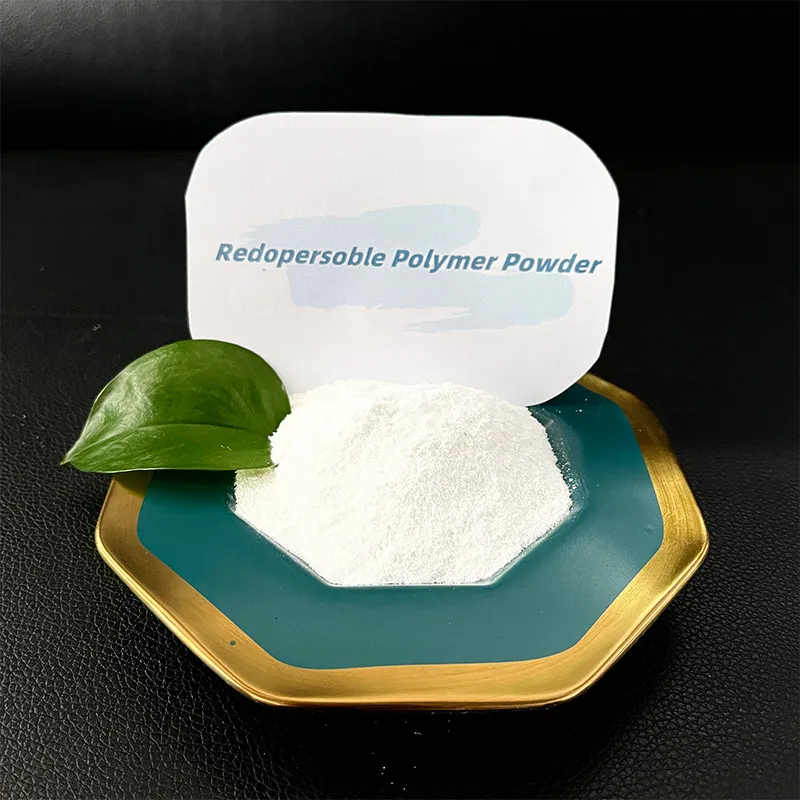
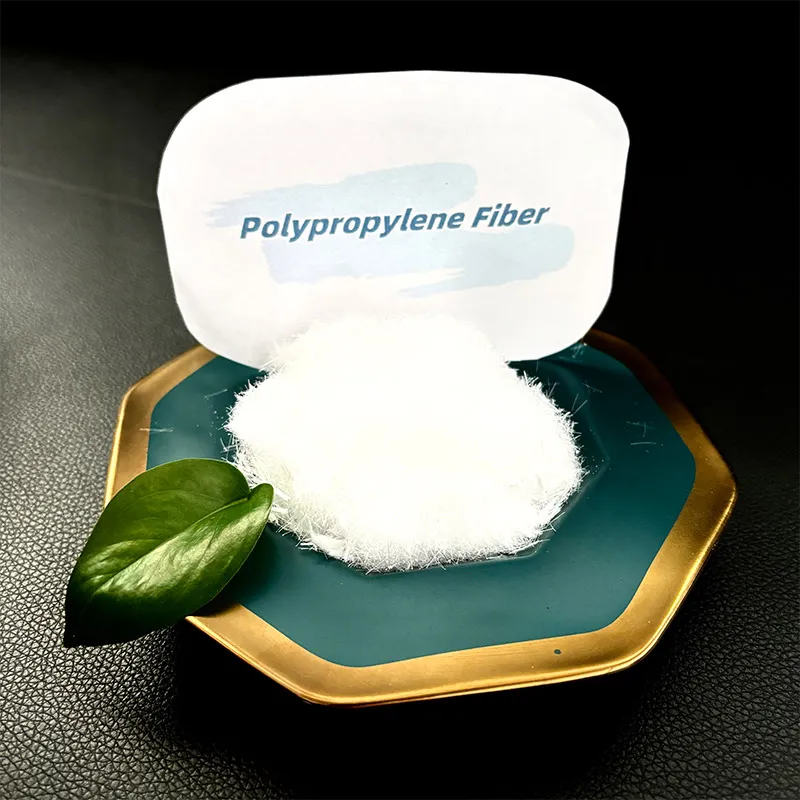
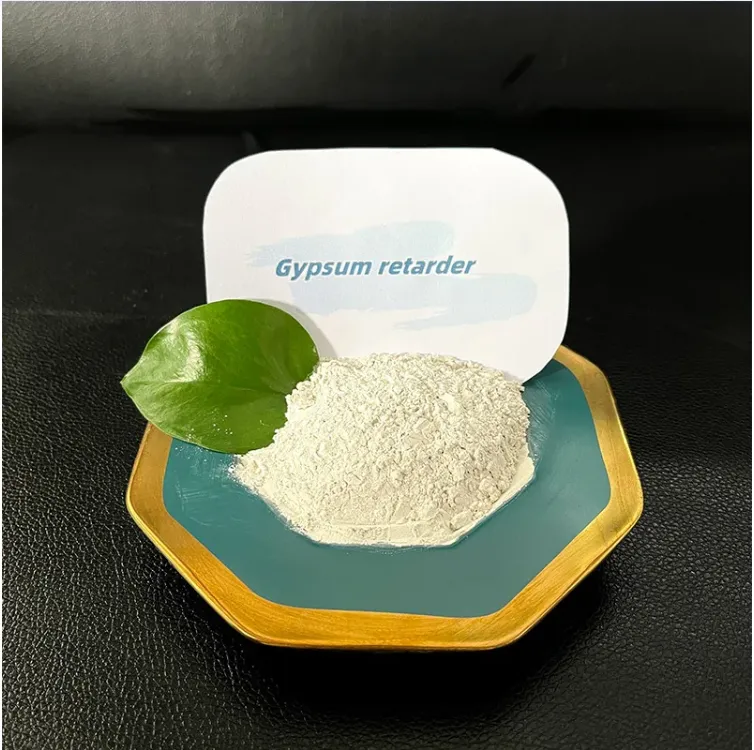
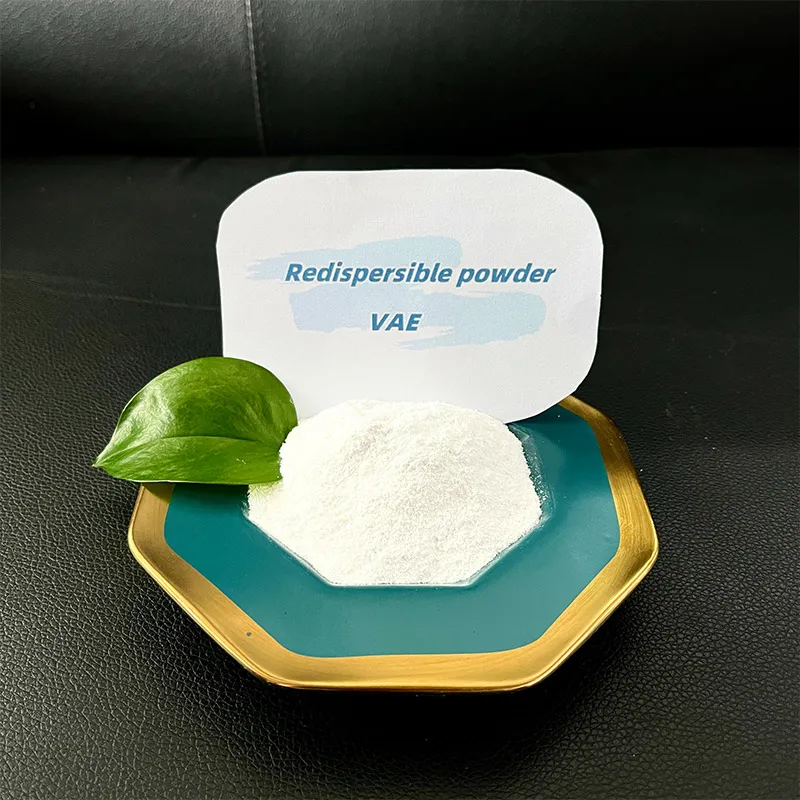


Polymer powder is a key ingredient in many industries, providing critical properties to products in construction, adhesives, coatings, and more. With its wide range of applications, polymer powder enhances the performance, durability, and flexibility of finished products. Available in various forms, polymer powder s can be tailored to meet the specific needs of different applications, making them a versatile choice for manufacturers worldwide. Whether you're working in construction, paints, or textiles, polymer powder offers the ideal solution for improving your products’ functionality. Explore Our Range of Colored Polymer Powder If you need vibrant, long-lasting colors in your products, colored polymer powder is the way to go. Whether you're producing construction materials, decorative coatings, or consumer goods, colored polymer powder offers an efficient way to introduce rich, stable colors into your products. Our premium colored polymer powder is designed to maintain its brightness and consistency, ensuring your products stand out. With a wide selection of shades, you can achieve the exact color you need while maintaining high quality and performance. The Benefits of Redispersible Polymer Powder Redispersible polymer powder is a game-changer in many industrial applications. Unlike traditional resins, redispersible polymer powder can be re-dispersed in water to create a solution, which offers greater convenience and efficiency for various processes. Widely used in adhesives, tile grout, and plaster, redispersible polymer powder enhances bonding strength, flexibility, and durability. This type of polymer powder is particularly valued in the construction and building materials sectors, providing superior performance while reducing transportation and storage costs. Discover the many benefits of using redispersible polymer powder in your formulations today. What Influences Polymer Powder Price? When considering polymer powder price , it’s important to understand the factors that affect the cost. The polymer powder price can vary depending on the type of polymer used, the quantity purchased, and the specific application for which the powder is intended. High-performance polymer powder may be priced higher due to its specialized formulations, while larger orders typically reduce the cost per unit. Additionally, polymer powder price can also depend on the presence of additives, colorants, and whether the polymer powder is customized for particular applications. To ensure you're getting the best value for your needs, always consider both the performance and the cost-effectiveness of the polymer powder price . Why Choose Our Polymer Powders for Your Business? Our polymer powder products are crafted with the highest standards of quality and performance, ensuring that your manufacturing processes run smoothly. From colored polymer powder to redispersible polymer powder , we offer a comprehensive selection that suits a wide variety of industries. Our polymer powder solutions are designed to enhance the quality of your final products, increase production efficiency, and offer cost-effective solutions for your business. With competitive polymer powder price s, we guarantee the best value for your investment. Whether you need a specialized formula or a standard polymer powder , our products are the perfect addition to your production line. Polymer Powders FAQs What is polymer powder? Polymer powder is a fine, dry material made from polymers, typically used in various industrial applications to improve the properties of products like adhesives, coatings, and construction materials. It is valued for its ability to enhance flexibility, strength, and durability in the final product. Polymer powder can come in different types, such as colored polymer powder or redispersible polymer powder , each serving specific functions depending on the industry. What is colored polymer powder used for? Colored polymer powder is primarily used to add vibrant colors to products such as construction materials, coatings, and consumer goods. The color pigments are stable and long-lasting, ensuring that the final product maintains its color over time, even under challenging conditions. It’s ideal for applications where both color and performance are important, making it perfect for industries like construction, automotive, and packaging. What is redispersible polymer powder and how is it used? Redispersible polymer powder is a special type of polymer powder that can be re-dispersed in water, forming a solution that can be easily applied in a variety of industrial processes. It’s commonly used in adhesives, tile grouts, and plaster, where it improves bonding strength, flexibility, and water resistance. The ability to re-dispense the polymer powder in water makes it a more convenient and cost-effective solution for many manufacturing processes. How does the polymer powder price vary? The polymer powder price depends on several factors, including the type of polymer used, the quantity purchased, and whether any special additives or colors are involved. Specialty redispersible polymer powder sand colored polymer powder s often come at a higher price due to their advanced formulations. Additionally, larger volume purchases can reduce the polymer powder price per unit, offering better cost-effectiveness for bulk orders. Why should I choose your polymer powders? Our polymer powder sare craftedto meet the highest standards of quality, ensuring that your products perform at their best. We offer a wide selection of colored polymer powder s and redispersible polymer powder s, all designed to enhance the durability, flexibility, and performance of your products. Our polymer powder price is competitive, offering you the best value for your investment. Whether you’re in construction, coatings, or any other industry, we have the perfect polymer powder solution for you.
- 40000tons

Production
- 20+years

Experience
- 5000+㎡

Acreage

-

Hydroxypropyl methylcellulose (HPMC) stands as a versatile compound widely utilized across numerous industries, each benefiting from its unique properties. Its application spans from pharmaceuticals and food production to construction and personal care products, underlining its integral role in everyday life. In the pharmaceutical industry, HPMC is renowned for its use as a binder and release agent in tablet formulations. Due to its non-toxic and biodegradable nature, it provides an effective solution for delivering active ingredients in medications. Its property of being a stable agent ensures consistent performance, making it an integral part of many tablet coatings. One personal account from a formulation scientist highlights the element of control HPMC provides, stating, “In our tablet development, HPMC offers the exact disintegration time we aim for, which is crucial for efficacy and patient compliance.” In the realm of food production, HPMC serves as an emulsifier, thickener, and stabilizer, playing a pivotal role in texture improvement and shelf-life extension. The bread and bakery sector especially benefits from HPMC’s water retention capabilities, which enhance freshness and softness of baked products. Expert bakers affirm that its inclusion leads to a more uniform crumb structure in bread, thus ensuring high-quality final products that retain moisture longer without compromising flavor or texture. The construction industry utilizes HPMC as a key component in producing high-performance cement and drywall applications. Its water retention and workability properties improve the performance of cement-based products significantly. A construction material engineer notes, “HPMC in construction mixes leads to better adhesion and workability, reducing waste and increasing longevity of the structure.” This is especially relevant in modern buildings where energy efficiency and building integrity are of utmost importance. hydroxypropyl methyl cellulose uses Personal care products such as shampoos, lotions, and toothpaste also capitalize on the thickening and stabilizing properties of HPMC. Its inert behavior and compatibility with other components make it ideal for delicate skin care formulations. For instance, in hair care products, HPMC helps maintain the desired viscosity for a luxurious application experience, while ensuring product stability over time. Dermatology experts trust HPMC for sensitive skin formulas due to its non-irritant profile, which is essential for hypoallergenic products. In the context of environmental consciousness, HPMC’s biodegradable nature aligns with sustainable practices in manufacturing and product formulations. This attribute makes it an appealing choice for companies aiming to reduce their environmental footprint. Hospitals and medical facilities adopting green practices prefer using HPMC-based disposable medical supplies, as it supports their commitment to environmentally friendly practices. Research and development sectors continually explore HPMC’s potential to formulate new products. Its multifunctional capabilities open avenues for innovation, allowing scientists to develop new materials that could revolutionize existing solutions in various fields. For example, the emerging research into its use in 3D printing materials promises a future where HPMC-based bio-inks could significantly impact medical prosthetics and tissue engineering. In conclusion, hydroxypropyl methylcellulose is not merely a compound but a bridge to innovative solutions across industries . Its non-toxic, biodegradable properties combined with its multifunctional use underscore its importance. For businesses and professionals, understanding and harnessing the applications of HPMC can lead to significant advancements in product design and sustainability. Its extensive use cases and continual presence in cutting-edge research position it as a valuable asset in global industrial practices.
-
In the world of industrial applications, particularly in the realm of pharmaceuticals and construction, two polymers often come to the forefront Hydroxyethyl Cellulose (HEC) and Hydroxypropyl Methylcellulose (HPMC). Both are cellulose derivatives, but their distinct properties and applications make choosing between them a critical decision based on specific project requirements. HEC is favored in scenarios where high levels of water retention and thickening are paramount . This makes it ideal for use in paint formulations, where it acts as a rheology modifier, ensuring a smooth application and consistent pigment distribution. Moreover, in the construction industry, HEC finds its role in tile adhesives and cement-based mortars, enhancing workability and open time. Its water-retentive abilities allow for extended working times and prevent rapid drying, which is crucial for optimum setting and bonding. In contrast, HPMC is often chosen for its superior film-forming capabilities and its ability to withstand higher temperatures, making it indispensable in the pharmaceutical industry. Used as a binder and controlled-release agent in tablet formulations, HPMC ensures the stability and efficacy of medications over time. Additionally, in building and construction applications, HPMC's robust adhesive properties and resistance to environmental conditions make it an excellent choice for rendering and plastering tasks. A deep dive into the synthesis of these polymers reveals that HEC is derived by reacting ethylene oxide with alkali cellulose, while HPMC is produced by the reaction of alkali cellulose with propylene oxide and methyl chloride. These reactions imbue each polymer with its unique characteristics, influencing their solubility, viscosity, and thermal stability. For example, HEC dissolves readily in water, forming clear solutions, whereas HPMC requires a more gradual introduction to water, with full hydration enhancing its thickening efficiency. hec vs hpmc From an expert perspective, the choice between HEC and HPMC should be guided by the specific conditions of use. In a project with fluctuating temperatures or one requiring a protective film, HPMC's thermal resilience is unmatched. On the other hand, when dealing with formulations where prolonged moisture retention is critical, as seen in certain adhesive applications, HEC stands out with its exceptional hydrophilicity. Authoritative studies have supported the use of HPMC in pharmaceutical coatings where consistency and reliability are non-negotiable due to its non-toxic nature and FDA approval for direct contact with food and drugs. Similarly, trust in HEC is evident in its long-standing use in latex paint systems, where its compatibility and stability ensure a prolonged shelf-life and superior application properties. Ultimately, the decision between HEC and HPMC hinges on a nuanced understanding of the end-use environment and desired performance outcomes. Leveraging the profound expertise inherent in these materials allows industry professionals to make informed, authoritative choices, enhancing both the quality and efficiency of their products.
advantages
-

200000 Viscosities
Excellent product
We can produce pure products up to 200,000 viscosities
-

40000 tons
High yield
We don’t stop production all year round, and the annual output can reach 40,000 tons
-

24 hours
Quality service
We provide 24-hours online reception service, welcome to consult at any time
———— Inquiry Form
Schedule A services

-
 hydroxypropyl_methylcellulose_hpmc_powder
Oct . 25, 2025
The Cost of Polypropylene Fiber An Overview Polypropylene fiber, derived from the polymerization of -
 hpmc_solubility_in_isopropyl_alcohol
Oct . 25, 2025
Starch ether is a versatile and eco-friendly compound derived from natural starch sources, widely us -
 hpmc_monograph
Oct . 25, 2025
Hydroxypropyl methylcellulose (HPMC) is increasingly gaining popularity in various industries, from


